(262) 400-2160
Roofing Contractor in Waukesha, WI · Waukesha, WI

Roofing Contractor in Waukesha, WI Built for Ice Dams, Hail and Heavy Snow

Waukesha roofs get it from every direction. January lows sit around 10°F, freeze-thaw cycles run from November through March, and summer brings hail and straight-line winds that lift and crease shingles. With roughly a 100°F swing between seasons, the result is ice dams, wind-torn tabs and slow leaks that show up as stained ceilings. Waukesha Roof Masters builds roofs for these conditions. We install, replace and repair asphalt shingle and metal roofs, and every replacement gets ice and water barrier along the eaves and valleys, which is where Wisconsin roofs usually fail first.

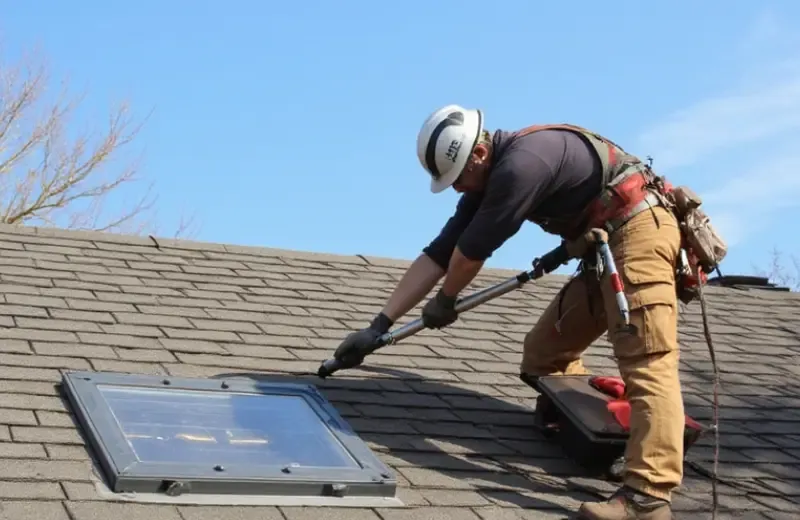
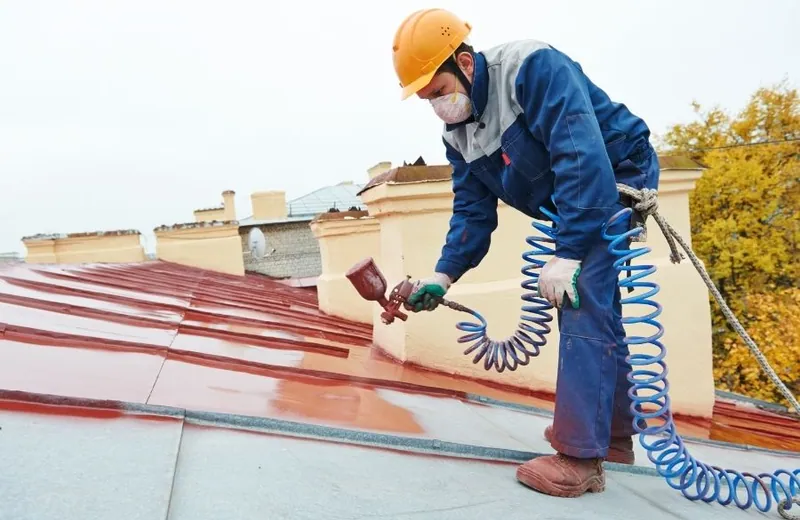
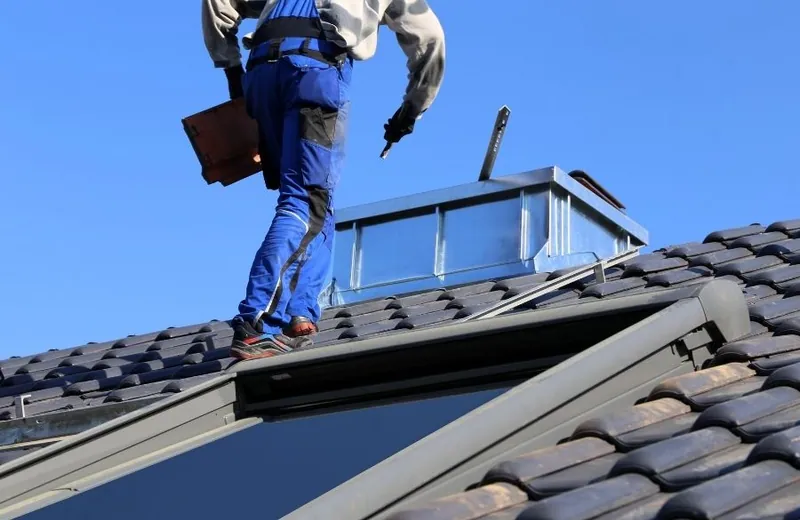
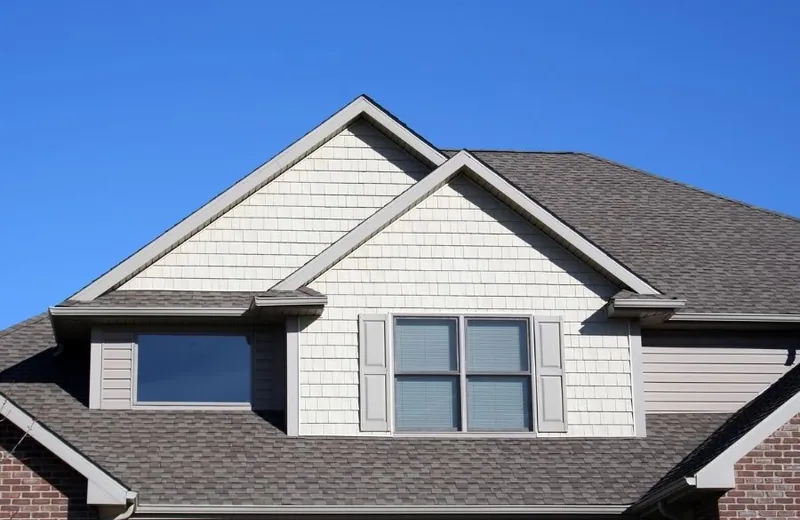
Waukesha Roof Masters Roofing Contractor in Waukesha, WI work in Waukesha, WI

Request a free estimate

No obligation. Fast, honest quotes.

🔒 Your information is never shared.

  • Bonded
  • Fully insured
  • Financing available
  • Serving homes within 20 miles of Waukesha
  • Ice and water barrier at eaves and valleys on every replacement
  • Written proposal and a firm start date
  • Property cleaned every evening
Why local matters

Why Waukesha Roofs Need a Contractor Who Knows Southeastern Wisconsin

A roof that does fine in a milder climate can fail in a single Waukesha winter. Our weather, the age and style of our homes, and the local permit and HOA rules all change how a roof should be built. A good roofer here has to account for all three.

Snow Load, Freeze-Thaw and Summer Storms

Waukesha usually gets snowfall in the mid-40-inch range, and the amount varies a lot from year to year. Heavy, wet late-season snow puts serious weight on roofs. Subzero cold snaps are common, and during the January 2019 polar vortex temperatures dropped to about -20°F. From November through March, sunny days and attic heat melt the snow, and the water refreezes at the cold eaves. That's how ice dams form, and they're the most common winter roof failure in the area. Then from May through August, thunderstorms bring hail, damaging straight-line winds and the occasional derecho. Summer highs average around 80°F, so shingles, sealants and membrane seams go through about a 100°F swing every year. Shade from trees around Pewaukee, Nagawicka and Okauchee Lakes keeps roofs damp, which encourages moss and clogged gutters.

150 Years of Homes, From Victorians to 1990s Subdivisions

Our service area covers more than a century and a half of construction. The McCall Street and Madison Street areas near downtown Waukesha have Queen Anne, Italianate and Craftsman homes with steep valleys, dormers, box gutters and sometimes original slate. Many of these older homes, and some in Butler, have several layers of shingles over plank sheathing with gaps between the boards. The postwar ranches and Cape Cods in Merrill Hills, New Berlin and Elm Grove often don't have enough attic ventilation, which is a recipe for ice dams. The 1980s–2000s homes in Brookfield, Sussex, Hartland and Delafield have complicated roofs with many valleys, skylights and big chimney chases. Lannon stone chimneys are common throughout the county, and they need careful step flashing and counter-flashing.

Wisconsin Code, Local Permits, Historic Districts and HOAs

One- and two-family homes are covered by the Wisconsin Uniform Dwelling Code. It requires ice barrier protection at the eaves, along with code-compliant underlayment, flashing and ventilation. You generally can't install new shingles over more than one existing layer, so roofs with two or more layers need a full tear-off. Permit rules differ from one municipality to the next. The City of Waukesha and many nearby communities require a permit for reroofing or for replacing sheathing. Homes in downtown Waukesha's National Register districts may go through Landmarks Commission review. HOAs in Brookfield, Pewaukee, Sussex, Delafield and Hartland often dictate shingle color and profile and require committee approval before work starts. Wisconsin law also limits contractors from promising to cover your insurance deductible.

A Value-Conscious, Referral-Driven Market

Waukesha County has more than 400,000 residents, a high rate of homeownership and household incomes well above the state average. Homeowners in Brookfield, Elm Grove and the Lake Country communities often choose designer shingles, standing-seam metal accents and full-system warranties. Families in Sussex, New Berlin and Muskego tend to put durability first. Across the county, most people hire based on referrals and a contractor's local reputation, and after every hailstorm they have good reason to be careful about out-of-town storm crews.

Services

Roofing Services for Waukesha Homes and Businesses

Every service we offer is set up for a climate with hard freezes and summer storms. Whether you need a quick patch or a full metal roof system, we start by figuring out what actually caused the problem, and we build each roof to the Wisconsin code that applies to your building.

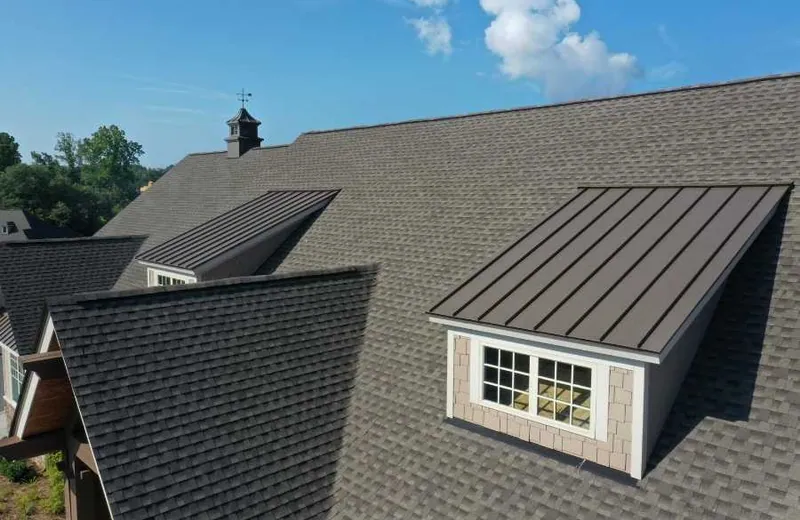
Waukesha Roof Masters Roofing Contractor in Waukesha, WI project in Waukesha, WI (2)
Featured

Roof Replacement & Asphalt Shingle Installation

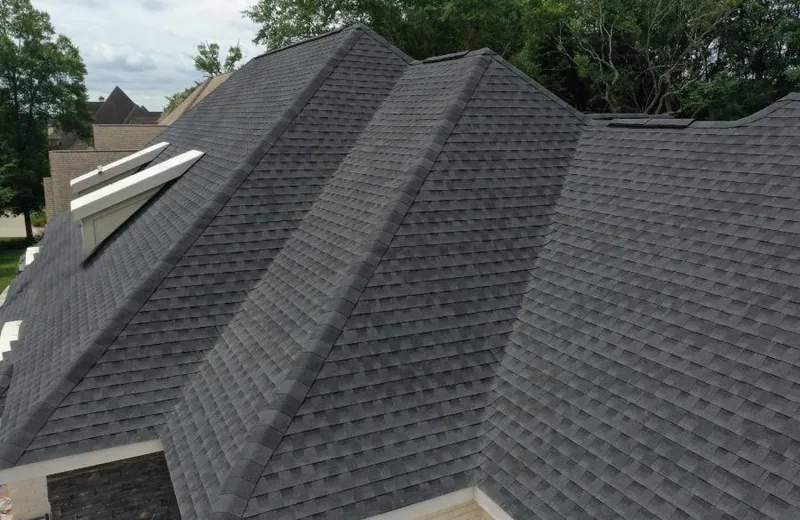
We tear off the old roof completely and install a new one using architectural, designer or 3-tab shingles. That covers replacing worn-out roofs, putting roofs on new construction, and winter replacements when the timing can't wait.

How we do it
We inspect the deck and replace any bad sheathing. Then we install ice and water barrier at the eaves and in the valleys, synthetic underlayment, new drip edge and flashing, and balanced intake and exhaust ventilation. In cold weather we hand-seal the shingles.
In Waukesha
This is a good fit for aging 1990s roofs in Brookfield, Pewaukee and Sussex, and for multi-layer roofs on Waukesha homes, which code requires to be torn off. We match colors to your HOA's rules and to the style of your house.
Best for
Roofs that are 20 or more years old, roofs with widespread hail damage, roofs with two or more layers, and homeowners who want a full system that resists ice dams.
Get a quote →
Waukesha Roof Masters Roofing Contractor in Waukesha, WI project in Waukesha, WI (3)
Featured

Ice Dam Removal & Winter Roof Services

We handle professional ice dam removal, gutter ice removal, roof snow removal, leak repair in winter, repair of water damage caused by ice dams, and installation of heat cable or heat tape.

How we do it
We remove ice with low-pressure steam, which doesn't damage the shingles the way hammers or chisels do. We rake snow to take weight off the roof, and we install heat cable in a zigzag pattern along the eaves and in the gutters.
In Waukesha
This service exists because of Waukesha's freeze-thaw winters. Postwar homes in Merrill Hills, New Berlin and Butler, and converted cottages around Pewaukee Lake, need it most after a thaw that follows heavy snow.
Best for
Active leaks from ice dams, homes that get ice dams every winter, and roofs carrying heavy wet snow from late in the season.
Get a quote →
Waukesha Roof Masters Roofing Contractor in Waukesha, WI project in Waukesha, WI (4)

Roof Repair, Leak Detection & Patching

We find and fix leaks, repair damaged shingles, patch roofs and repair general roof damage, including skylight leaks.

How we do it
We trace the leak from inside the attic and from the roof surface, find where the water is actually getting in, and replace the shingles or flashing that failed. We match the repair to your existing materials.
In Waukesha
Most of the repairs we do in Waukesha are wind-lifted tabs, leaking pipe boots, and leaks around skylights on the complex roofs common in Delafield and Hartland.
Best for
Roofs with useful life left that have isolated leaks, missing shingles or flashing that has failed in one area.
Get a quote →
Waukesha Roof Masters Roofing Contractor in Waukesha, WI project in Waukesha, WI (5)

Emergency Roof Repair & Tarping

We tarp roofs and install temporary repairs after trees fall on them, wind tears them open, or a leak starts in the middle of winter.

How we do it
We fasten heavy tarps to the framing so they hold, cover exposed areas, and take photos for your insurance claim. We use safe ways to get on the roof when there's snow and ice.
In Waukesha
After a summer storm, falling limbs are a common problem on wooded lots in Elm Grove, Brookfield and Lake Country. Winter emergencies usually come from ice dam leaks.
Best for
Roofs that are open or actively leaking and need to be protected right away until a permanent repair is done.
Get a quote →
Waukesha Roof Masters Roofing Contractor in Waukesha, WI project in Waukesha, WI (6)

Metal Roofing: Standing Seam, Steel & Corrugated

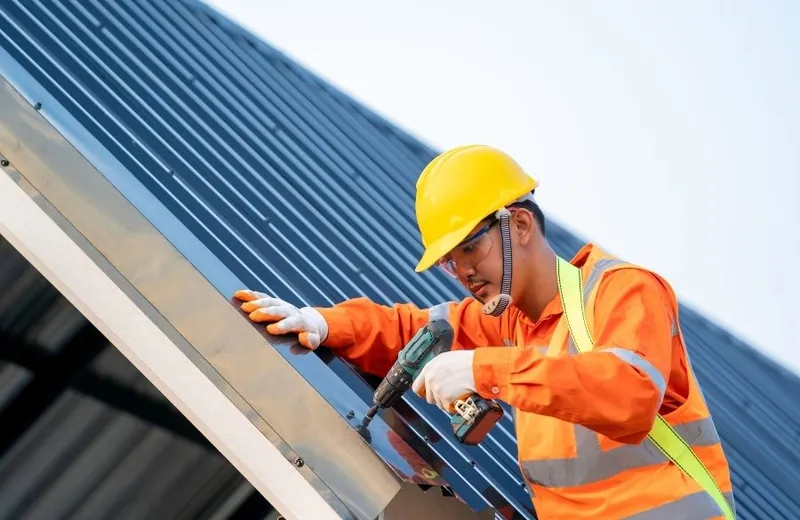
We install and repair residential metal roofs, standing seam roofs, steel roofs and corrugated metal roofs, and we install metal-specific and steel roof flashing.

How we do it
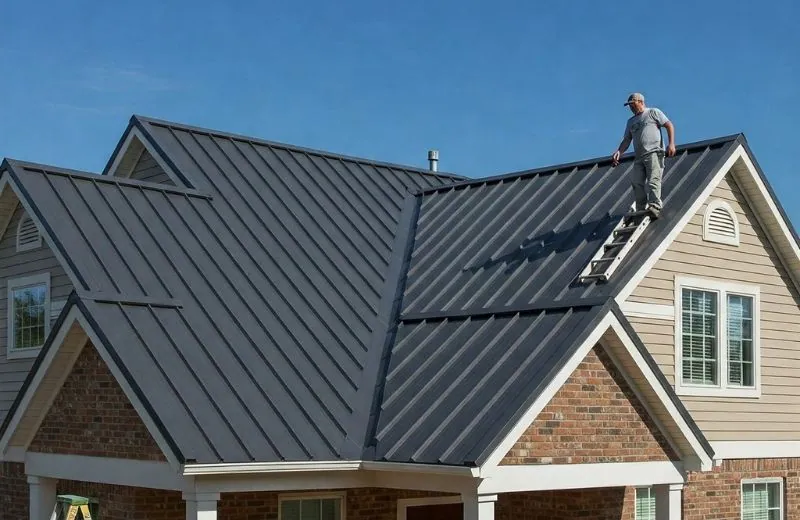
We use concealed-fastener standing seam panels for homes and exposed-fastener corrugated steel for outbuildings. We add snow guards where snow could slide off onto walkways, and we install proper underlayment and flashing designed for metal roofs.
In Waukesha
Metal works well on pole barns and homes in Vernon, Genesee Depot, Wales and North Prairie. Lake Country homeowners also use it for standing-seam accents. Snow sheds off it well, and it holds up to the wind.
Best for
Rural outbuildings, homeowners who plan to stay a long time, snow-heavy roof designs and modern or farmhouse-style homes.
Get a quote →
Waukesha Roof Masters Roofing Contractor in Waukesha, WI project in Waukesha, WI (7)

Flat Roofing & Commercial Roofing

We repair and replace flat roofs, install TPO and EPDM rubber roofing, and repair commercial roofs.

How we do it
We fix seams and flashing, install tapered insulation to correct ponding, and install membranes that meet Wisconsin's commercial code and energy requirements.
In Waukesha
This includes retail and multifamily buildings along Bluemound Road, Moorland Road and Capitol Drive, plus low-slope additions and porch roofs on homes in Waukesha.
Best for
Flat or low-slope roofs with ponding water, failing seams or a membrane that's wearing out.
Get a quote →
Waukesha Roof Masters Roofing Contractor in Waukesha, WI project in Waukesha, WI (8)

Premium Materials: Slate, Cedar Shake, Tile & Copper

We install slate roofs, cedar shake roofing, tile roofing and copper roofing and detailing.

How we do it
We use the fastening, underlayment and flashing that each of these materials requires. That means copper valleys and accents and properly vented cedar systems.
In Waukesha
These materials suit the Victorian homes in the McCall Street area, where historic character matters, and higher-end homes on Nagawicka and Pewaukee Lakes.
Best for
Historic restorations, homes that need Landmarks review, and owners who want a distinctive roof that lasts for decades.
Get a quote →
Waukesha Roof Masters Roofing Contractor in Waukesha, WI project in Waukesha, WI (9)

Inspection, Maintenance, Restoration & Coatings

We do roof inspections, routine maintenance, roof restoration, roof waterproofing and roof coating application.

How we do it
Our inspections are thorough and documented with photos. We reseal flashing, clean the roof and apply coatings to low-slope or metal roofs to make them last longer.
In Waukesha
We recommend inspections in fall, before freeze-up, and in spring, after the snow melts. It's also smart to have one before you buy a home in Waukesha County.
Best for
Roofs in good condition that need upkeep, home buyers, and older roofs where restoration can delay a replacement.
Get a quote →
Waukesha Roof Masters Roofing Contractor in Waukesha, WI project in Waukesha, WI (10)

Flashing: Chimney, Drip Edge & Skylight

We repair chimney flashing, fix chimney leaks, install drip edge flashing, and repair or replace general roof flashing.

How we do it
We install step flashing and counter-flashing set into the masonry, build crickets behind wide chimneys, and install continuous drip edge to protect the fascia.
In Waukesha
This is a major source of leaks on Lannon stone chimneys in Sussex, Lannon and Merton, and on large chimney chases in Brookfield.
Best for
Leaks around chimneys, skylights, walls or roof edges.
Get a quote →
Waukesha Roof Masters Roofing Contractor in Waukesha, WI project in Waukesha, WI (11)

Ventilation, Soffit, Fascia & Gutter Guards

We install roof ventilation, soffits and fascia, and gutter guards.

How we do it
We balance intake air at the soffits with exhaust at the ridge, replace rotted fascia, and install guards that keep gutters from filling with leaves.
In Waukesha
This is how you stop ice dams on postwar homes with poor ventilation, and how you keep gutters clear under the heavy tree cover around the lakes.
Best for
Homes with ice dams, attic frost, rotted fascia or gutters that keep clogging.
Get a quote →
Common problems

Common Roofing Problems in Waukesha and Lake Country

Most of the roof failures we see in Waukesha County come from a short list of causes: ice dams, storm damage, roofs at the end of their life, and flashing that has worn out. Here's what each problem looks like, why it's so common here, and how we fix it.

Emergency

Ice Dams and Meltwater Leaks

An ice dam is a ridge of ice that builds up along the eaves. Heat escaping from the attic melts the snow higher up the roof, and that water refreezes when it reaches the cold overhang. The water then backs up under the shingles and gets into soffits, walls and ceilings.

Why it happens here: From November through March, Waukesha goes through freeze-thaw cycles over and over: sunny afternoons followed by nights in the teens or colder. The postwar ranches and Cape Cods in Merrill Hills, New Berlin and Elm Grove often have thin attic insulation and too little ventilation, so the roof deck stays warm while the eaves freeze. Clogged gutters under heavy tree cover make it worse. When old roofs were installed without a proper ice and water barrier, even a small dam can push water into the house.

Signs to look for

  • Thick ridges of ice along the gutters and eaves
  • Large icicles, especially over entry doors
  • Water stains on ceilings near exterior walls
  • Peeling paint or damp drywall under windows
  • Soffits that are soft, sagging or stained
  • Frost or wet insulation in the attic

Local patterns: We see this most on 1950s–1970s homes in Waukesha, Brookfield and Butler, and on older lake cottages around Pewaukee Lake that were converted for year-round living. North-facing eaves and low-slope porch roofs get hit hardest after a heavy snow followed by a sunny thaw.

How we fix it

We safely steam the ice off, repair the leak, then deal with the cause: ice and water barrier at the eaves, better ventilation and optional heat cable.

Serious

Hail and Wind Storm Damage

Hail bruises shingles and knocks off their granules. Straight-line winds and derecho-type storms lift, crease or tear off shingles and break their seal. The roof may look fine from the street, but damaged shingles let water in during the next storm.

Why it happens here: Southeast Wisconsin gets severe thunderstorms from May through August, and a single storm can damage roofs across an entire neighborhood. Wooded lots in Brookfield, Elm Grove and Lake Country add falling limbs to the damage. Older three-tab shingles on 1990s subdivision homes have lost much of their flexibility and seal strength, so wind lifts them easily. Out-of-state storm crews show up right after these storms, and some of them leave before any warranty problems surface.

Signs to look for

  • Missing shingles or tabs in the yard
  • Creased or lifted shingles near ridges and rakes
  • Dents in gutters, downspouts and vents
  • Piles of granules at downspout outlets
  • Dark circular bruises on the shingles
  • New leaks after a storm

Local patterns: Hail damage usually shows up in clusters across Pewaukee, Sussex, Hartland and western Waukesha subdivisions after a summer storm cell passes through. Homes facing open water on Nagawicka Lake, and exposed rural lots in Vernon and Genesee Depot, take more wind damage.

How we fix it

We document the damage with photos, meet with your adjuster when you'd like us there, and repair or replace the roof according to Wisconsin code.

Moderate

Aging Subdivision Roofs at End of Life

Builder-grade three-tab and early architectural shingles from the 1980s through the 2000s are wearing out. They curl, crack and lose granules, and the surface underneath gets brittle. Once that happens, leaks spread and patching stops being worth the money.

Why it happens here: Brookfield, Pewaukee, Sussex, Hartland, Delafield and Merton built a lot of homes in the same two decades, so many of those roofs are failing around the same time. Twenty-five or more years of 100°F seasonal swings wear asphalt out faster. These roofs also tend to have steep pitches, several valleys, skylights and big chimney chases. That makes them expensive to replace, and it's hard to compare bids if you don't know what each one includes.

Signs to look for

  • Shingle edges that curl or cup
  • Bare patches where granules have worn off
  • Cracked shingles along the valleys
  • Different shingle colors from past patches
  • Several leaks in the last few years
  • Daylight showing through the roof deck in the attic

Local patterns: This is very common in Brookfield subdivisions off Moorland and Bluemound Roads, and in Sussex and Hartland neighborhoods built in the 1990s. HOAs there often require architectural or designer shingles in approved colors.

How we fix it

We do a full tear-off and replace with architectural shingles, ice and water barrier, synthetic underlayment, new flashing and balanced ventilation. We also handle HOA approval paperwork.

Moderate

Chimney and Lannon Stone Flashing Leaks

Flashing is the metal that seals the joint where the chimney meets the roof. When it fails, water runs down the outside of the masonry and into the attic, walls and ceilings around the chimney.

Why it happens here: Lannon stone, a local limestone quarried in Lannon and Sussex, is used on chimneys all over the county. Its uneven face is hard to seal with caulk alone. Freeze-thaw cycles push the mortar joints apart and pull the sealant away from the stone. Large chimney chases on newer homes have long joints that let in a lot of water once they open up.

Signs to look for

  • Stains on the ceiling next to the chimney
  • Water in the firebox or on the hearth
  • Gaps or loose caulk at the flashing
  • Rust streaks on the flashing metal
  • Mortar joints that are crumbling
  • Damp framing in the attic next to the chimney

Local patterns: We find this most often on Lannon stone chimneys in Sussex, Lannon and Merton, on brick chimneys in older downtown Waukesha homes, and on wide chimney chases in Brookfield and Delafield.

How we fix it

We cut a reglet into the masonry and install proper step flashing and counter-flashing. We add a cricket behind wide chimneys and reseal the cap.

Serious

Historic Roof Deterioration

Victorian-era roofs develop problems with their slate, valleys, box gutters and decorative flashing. Many of them also have several old shingle layers over gapped plank decking, which can't properly support a modern roof system.

Why it happens here: Waukesha's resort-era core around McCall Street and Madison Street has homes more than 100 years old. They have steep roof planes, turrets and built-in box gutters that rot from the inside out. Years of layovers have hidden damage underneath. Landmarks Commission review can limit which materials and colors you're allowed to use.

Signs to look for

  • Slate that's cracked, slipped or missing
  • Box gutters that overflow or rot
  • Rusted valleys
  • Sagging roof planes
  • Three or more layers visible at the edges
  • Rotted trim along the eaves

Local patterns: This is concentrated in downtown Waukesha's National Register districts and in older parts of Butler. Some of these homes still have wood shingle decking from the original construction.

How we fix it

We tear off the old layers, re-deck where the planks have gaps, rebuild the box gutters, and choose materials that fit the historic character and meet any review requirements.

Moderate

Flat and Low-Slope Roof Ponding

Water or slush that sits on a low-slope roof for more than 48 hours wears down the membrane seams and flashing. Eventually it soaks the insulation and leaks into the space below.

Why it happens here: Snow piles up on flat roofs, and when it melts in spring it ponds wherever drains are clogged or the roof has sagged. Seasonal temperature swings stretch and shrink the seams on EPDM, TPO and modified bitumen roofs. Porch roofs and additions on postwar homes are often built with too little slope.

Signs to look for

  • Puddles that stay for days after rain
  • Seams that have opened or blistered
  • Membrane that's cracked or shrinking
  • Drains clogged with debris
  • Ceiling stains below the roof
  • Soft spots when you walk on it

Local patterns: We see this on commercial and multifamily buildings along Bluemound Road, Moorland Road and Capitol Drive, and on low-slope additions and porch roofs in Waukesha and New Berlin.

How we fix it

We repair the seams, clear and improve the drainage with tapered insulation, and recoat or replace the membrane with TPO or EPDM.

Minor

Moss, Algae and Clogged Gutters

Moss and algae grow on roofs that stay damp. Moss holds water against the shingles and lifts their edges. Gutters full of leaves and needles overflow, rot the fascia and make ice dams worse in winter.

Why it happens here: Heavy tree cover around Pewaukee, Nagawicka and Okauchee Lakes and in older neighborhoods keeps roofs shaded and wet. Humid summers help moss spread. Every fall, leaves fill the gutters right before freeze-up.

Signs to look for

  • Green moss on north-facing slopes
  • Black streaks on the shingles
  • Gutters that overflow in rain
  • Seedlings growing in the gutters
  • Fascia that's soft or peeling

Local patterns: This is common on lake homes in Nashotah, Delafield and the Village of Pewaukee, and under the mature trees in Elm Grove.

How we fix it

We clean the roof, add zinc strips, clear the gutters and install gutter guards. We also repair any fascia or soffit damage we find.

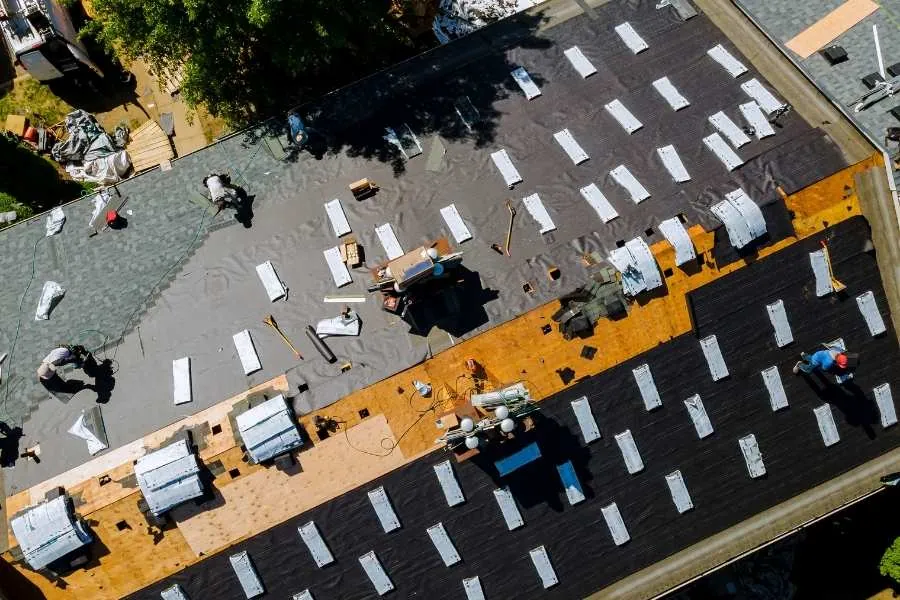
Waukesha Roof Masters Roofing Contractor in Waukesha, WI project in Waukesha, WI (3)
How it works

Our Roofing Process, From Inspection to Final Cleanup

We keep things predictable. You'll get a written proposal you can actually compare against other bids, a firm start date, and a crew that cleans up your property every evening.

  1. Detailed Roof Inspection

    Usually scheduled within a few days. On-site visit takes 45–90 minutes.
    • We check the shingles, flashing, valleys and penetrations on the roof
    • We inspect the attic for ventilation, insulation and frost or moisture
    • We photograph the damage and the problem areas
    • We look for multiple shingle layers and soft decking

    Local note: In winter, if it isn't safe to get on the roof, we inspect from the attic and the ground first.

  2. Written Proposal

    Delivered within a few days of the inspection
    • We list each material and line item: underlayment, ice barrier, flashing and ventilation
    • We spell out the scope of work, including possible decking replacement
    • We go over color and profile options
    • We explain financing options

    Local note: We include HOA color requirements and Landmarks Commission considerations for historic homes.

  3. Permits, Approvals & Firm Start Date

    1–3 weeks depending on the municipality and HOA
    • We confirm permit requirements with your local building inspection office
    • We help you put together your HOA architectural committee submission
    • We order materials
    • We lock in a firm start date

    Local note: Spring and fall are the busiest times of year, so booking early gets you a better spot on the schedule.

  4. Installation

    Most homes take 1–3 days. Complex or historic roofs take longer.
    • We protect your landscaping and siding
    • We tear off down to the deck and replace any bad sheathing
    • We install ice and water barrier, underlayment, flashing and ventilation
    • We install shingles or metal panels, and use cold-weather sealing when needed

    Local note: Shingles need warm weather to seal on their own, so in winter we use hand-sealing techniques.

  5. Cleanup & Final Walkthrough

    Every evening, plus a final inspection on the last day
    • We sweep the property with magnets for nails each evening
    • We haul away all debris
    • We schedule the municipal inspection if your permit requires one
    • We walk the finished roof with you

    Local note: On lake lots with tight access, we plan where dumpsters and equipment go ahead of time.

About us

A Roofing Contractor Waukesha Homeowners Can Trust

We know the local housing stock. Near downtown Waukesha you'll find steep Victorian roofs with turrets and box gutters. Brookfield and Pewaukee have 1990s subdivision roofs that are wearing out around the same time, and the acreage properties out in Vernon and Wales often have pole barns that need metal. We match materials and colors to the style of each home and to HOA rules. You get a detailed inspection, a written proposal and a firm start date, and we clean up your property every evening before we leave.

In Waukesha County, most people hire a roofer because a neighbor recommended them. We earn those referrals the same way every time: careful inspections, clear written proposals, firm start dates and clean job sites.

  • Bonded
  • Insured
  • Financing available
  • Bonded & Insured
  • Financing Available
Why choose us

Why Waukesha Homeowners Choose Waukesha Roof Masters

  • We Build Every Roof to Stop Ice Dams

    Ice dams cause more winter roof leaks in Waukesha than anything else, and new shingles alone won't stop them. Every replacement we do includes ice and water barrier along the eaves and in the valleys, which are the places meltwater backs up. We also look at your attic ventilation and insulation, because heat escaping from the house is what melts the snow in the first place. On a postwar ranch in New Berlin or a Cape Cod in Merrill Hills, fixing ventilation is often the step that finally stops a home from getting ice dams every year.

  • Bonded and Insured

    We're bonded and insured. That protects you and your property if something goes wrong during the job. After a big storm, roofers from out of state show up in Waukesha County subdivisions, and some of them don't carry proper coverage or know the local permit requirements. We encourage every homeowner to ask any contractor for proof of insurance and their Wisconsin Dwelling Contractor credentials before signing anything. We're glad to show you our bond and insurance documentation, and we'll answer any questions you have about it.

  • Local Knowledge of Local Homes

    Waukesha's homes are all different. A Queen Anne near McCall Street needs a different approach than a 1998 colonial in Brookfield or a pole barn in Vernon. We understand box gutters and multi-layer tear-offs, the complicated valleys on subdivision roofs, and flashing on Lannon stone chimneys. We match materials and colors to the style of each home, and we know HOA approval and historic district review are part of the job in Brookfield, Pewaukee, Delafield and downtown Waukesha.

  • Written Proposals You Can Compare

    If you're comparing bids on a complex roof, you need to know what's included. Our written proposals list the underlayment, the ice barrier coverage, the flashing and the ventilation, so you can see what you're paying for and where other bids might be cutting corners. We'll walk you through it in plain language. Under Wisconsin law, contractors can't promise to pay your insurance deductible, and we follow that rule. If you're filing a storm claim, we'll document the damage honestly.

  • Firm Start Dates and Clean Job Sites

    In spring and fall, a lot of homeowners are waiting on roofers, so knowing your start date matters. We give you a firm one and stick to it. While we're working, the crew protects your landscaping and cleans up your property every evening. That includes magnetic nail sweeps of the driveway and lawn, so your kids, pets and tires are safe. When we leave, your yard looks the way it did before we arrived.

  • One Contractor for Everything on Your Roof

    We handle asphalt shingles and architectural shingles, standing seam and corrugated metal, TPO and EPDM flat roofs, slate, cedar, tile, copper, gutter guards, soffit and fascia, and emergency tarping, so you don't need a different specialist for each problem. That's especially helpful on homes with a mix of roof types, like a shingled house with a low-slope porch roof, or a rural property with a metal-roofed outbuilding.

  • Financing Available

    A roof replacement is a big expense, and for many families it isn't planned. A hailstorm or a bad ice dam winter can force the decision. We offer financing so you can fix the roof properly now instead of patching a roof that's already failing. Ask about it during your inspection and we'll explain how it works alongside your written proposal.

20-MileService Radius Around Waukesha
18Communities Served
100%Replacements With Ice & Water Barrier at Eaves and Valleys
Every EveningProperty Cleanup
Service areas

Roofing Service Areas Across Waukesha County

We work within about 20 miles of Waukesha. That area includes historic city neighborhoods, established suburbs, lake communities and rural acreage, and each one has its own roofing needs.

Waukesha & Eastern Suburbs

  • WaukeshaHistoric downtown, McCall Street, Merrill Hills and postwar neighborhoods
  • BrookfieldLarge homes in 1980s–2000s subdivisions and commercial buildings along Bluemound Road
  • Elm GroveMature trees, upscale homes and a village center
  • New BerlinPostwar ranches and established family neighborhoods
  • ButlerOlder housing, often with multiple shingle layers

Lake Country

  • PewaukeeVillage homes by the lake and newer subdivisions
  • DelafieldNagawicka Lake homes and downtown Delafield
  • NashotahWooded lake lots with shade and moss
  • HartlandHOA-governed subdivisions from the 1990s and 2000s

Northern Waukesha County

  • SussexFamily subdivisions and Lannon stone chimneys
  • LannonQuarry country with lots of stone masonry
  • MertonNewer large homes and rural lots

Southern & Western Rural Areas

  • MuskegoLittle Muskego Lake homes and semi-rural lots
  • Big BendAcreage homes and outbuildings
  • VernonPole barns and rural homes suited to metal roofing
  • Genesee DepotCountry properties
  • WalesExurban homes on larger lots
  • North PrairieRural homes with a mix of shingle and metal roofs
Pricing

How Much Does a Roof Cost in Waukesha, WI?

What a roof costs in Waukesha County depends on its size, how complicated it is, what material you choose, and what's hidden under the old shingles. The ranges below reflect typical local projects. Your written proposal will give you the exact number for your home.

Asphalt replacement on a postwar ranch

$10,000 – $17,000

Waukesha or New Berlin home with about 20–25 squares, a simple gable roof and a single-layer tear-off. Includes ice barrier and ventilation upgrades.

Complex subdivision roof replacement

$20,000 – $38,000

Brookfield, Pewaukee or Sussex two-story with 35–45 squares, multiple valleys, skylights and chimney chase flashing, using architectural shingles that meet HOA requirements

Standing seam metal roof

$30,000 – $55,000

Home in Lake Country or a rural area with about 25–30 squares, with snow guards and metal-specific flashing

Ice dam steaming and leak repair

$600 – $2,500

Steam removal along the eaves plus a localized shingle and flashing repair after a thaw

Primary Factor

Roof Size and Complexity

Roofs are priced by the square, which is 100 square feet. A simple gable roof on a ranch takes far less labor than a 1990s Brookfield or Delafield home with eight valleys, several dormers, skylights and a large chimney chase. Every valley and every penetration adds flashing work and cutting. A steep pitch also requires extra safety equipment and slows the crew down, so two homes with the same square footage can have very different prices.

Primary Factor

Material Choice

Architectural asphalt shingles are the most popular choice in the Waukesha area and give you the best value. Designer shingles cost more, and so do the HOA-required profiles common in Brookfield, Pewaukee and Hartland. Standing seam metal usually costs two to three times as much as asphalt, but it lasts much longer and sheds snow well. Slate, cedar, tile and copper are premium options that we mostly use on historic and luxury lake homes.

Secondary Factor

Tear-Off Layers and Decking

Code generally prohibits adding a new layer over two existing ones. Many older homes in Waukesha and Butler need a multi-layer tear-off, which adds labor and disposal costs. Victorian homes with gapped plank sheathing may need new plywood or OSB decking over the whole roof. We price rotted sheathing per sheet in your proposal, so if we find more once the old roof is off, there aren't any surprises.

Secondary Factor

Ice Barrier, Ventilation and Flashing

Ice and water barrier at the eaves and valleys, new drip edge, chimney counter-flashing and balanced ridge and soffit ventilation all add to the cost. They're also what keeps a Waukesha roof from leaking every February. If a lower bid leaves them out, you'll usually pay for it later in ice dam damage.

Situational Factor

Season, Access and Permits

Winter jobs that need hand-sealing, lake lots with tight access, and municipal permit fees can all change the price. Emergency tarping and ice dam steaming are priced by the job, depending on access and how much ice there is.

Financing is available for roof replacements and larger repairs. Ask about it during your inspection.

A properly built roof with ice barrier and balanced ventilation helps prevent drywall, insulation and soffit damage from ice dams. In Waukesha County's high-value housing market, it also helps your home's curb appeal and resale value.

FAQ

Waukesha Roofing FAQs

How much does a new roof cost in Waukesha?

Most asphalt shingle replacements in the Waukesha area cost between $10,000 and $38,000. A simple postwar ranch is at the low end. Large, complicated subdivision homes in Brookfield or Pewaukee are at the high end. Standing seam metal usually runs $30,000 to $55,000 for an average-size home. The things that move the price most are the size of the roof, how steep it is, how many valleys and penetrations it has, how many old layers need to come off, and whether any decking needs replacing. Your written proposal will itemize each of these, and financing is available.

How long does a roof replacement take?

Most homes take one to three days on the roof. Complex 1990s roofs with many valleys, historic homes with box gutters, and metal roofs can take longer. Permits, HOA approval and ordering materials usually take one to three weeks before we start. Spring and fall are the busiest seasons in southeastern Wisconsin, so booking early helps you get your preferred date. Once we've scheduled you, you'll have a firm start date, and the crew cleans up every evening until the job is done.

Do I need a permit to replace my roof in Waukesha County?

It depends on where you live. The City of Waukesha and many surrounding cities and villages require a building permit for reroofing, and nearly all of them require one if sheathing is replaced. Some towns use county or contracted inspection services. We check the requirements with your municipality's building inspection office before we start. Homes in Waukesha's historic districts may also need Landmarks Commission review, and many Brookfield, Pewaukee, Sussex, Delafield and Hartland subdivisions require HOA approval of the shingle color and profile.

Can you install a roof in winter?

Yes. Winter roof replacement is possible, but it takes cold-weather techniques. Asphalt shingle sealing strips need warmth to bond, so on cold days we hand-seal the shingles. We also plan the work around snow and ice so the crew stays safe. If your roof is failing or leaking in January, replacing it in winter is often better than waiting until spring and risking ceiling and wall damage. For roofs that aren't urgent, we may suggest scheduling in early spring or fall.

How do I prevent ice dams?

Ice dams start inside the house, because heat leaks into the attic and melts the snow on the roof. Preventing them takes three things. First, air-seal the attic and add insulation so less heat escapes. Second, balance the ventilation with soffit intake and ridge exhaust so the roof deck stays cold. Third, install ice and water barrier at the eaves, and every replacement we do includes it. Keeping your gutters clear and installing gutter guards helps too. Heat cable can protect problem spots like north-facing eaves. A roof rake can lower the snow load after a big storm.

When should I call a roofer instead of waiting?

Call right away if water is coming into the house, if a tree or limb has hit the roof, if shingles are missing after a storm, or if thick ice ridges are forming along your eaves. Small leaks can soak insulation and rot sheathing within weeks. Schedule an inspection soon if your roof is 20 or more years old, if the shingles are curling or losing granules, or if you've seen ceiling stains near outside walls or chimneys. A fall inspection before freeze-up is the best way to avoid an emergency in January.

Should I repair or replace my roof after hail?

It depends on how widespread the damage is and how old the roof is. If only a few shingles are lifted or creased and the rest of the roof is sound, a repair usually makes sense. If there are bruises across several slopes, granules are washing out, or the roof is already near the end of its life, replacement is usually the better value. We document the damage with photos and can meet with your adjuster. Keep in mind that Wisconsin law prohibits contractors from promising to pay your deductible, so be careful with anyone who offers to.

Is metal roofing a good choice for Wisconsin winters?

Yes. Standing seam metal sheds snow well, handles freeze-thaw cycles and resists strong winds. That makes it a good fit for rural homes in Vernon and Wales, and for Lake Country homes exposed to wind off the water. It costs more upfront than asphalt but lasts much longer. Snow guards are important over doorways, decks and walkways so snow doesn't slide off all at once. For pole barns and outbuildings, corrugated steel is an affordable, durable choice.

Find us

Serving Waukesha, WI & nearby

101 W Broadway, Waukesha, WI, 53186

(262) 400-2160

Mon-Sun: 7:00 AM - 7:00 PM

Get driving directions
Get in touch

Schedule Your Waukesha Roof Inspection Today

Whether you're dealing with ice dams, hail damage or a roof that's simply worn out, start with a detailed inspection and an honest written proposal from a bonded, insured local contractor.

  • A detailed inspection of your roof and attic, with photos
  • A written proposal that lists every material and line item
  • A firm start date
  • Ice and water barrier at the eaves and valleys on every replacement
  • Materials and colors matched to your home's style and HOA rules
  • Your property cleaned every evening during the job
  • Financing available

We serve Waukesha, Pewaukee, Brookfield, New Berlin, Elm Grove, Delafield, Sussex, Hartland, Muskego, Vernon, Wales and other communities within 20 miles.

If you have an active leak, an ice dam or a tree on your roof, call now and ask about emergency tarping and steam ice dam removal.

Call (262) 400-2160

Request your free estimate

No obligation. Fast, honest quotes.

🔒 Your information is never shared.

CallFree estimate